Photo credit Conger design
As winter settles in, those familiar discomforts begin to stir, a scratchy throat, heavy chest or a sense of dwindling energy. It’s easy to feel the pull toward antibiotics, a habit many of us learned from years of wanting to feel better quick. Most often winter illnesses are viral, not bacterial and antibiotics can only work on bacterial infections. When taken for viral complaints, they simply do not work.
Each unnecessary course slowly erodes their strength, feeding the rise of antibiotic resistance. This makes these precious medicines less effective for the moments when they’re truly needed. Using them at the right time is one of the quietest, most meaningful ways we can protect our future health.
Often, what the body really needs is rest, warmth and a little gentle support. A soothing herbal tea, a comforting steam, a moment to pause. Small acts can help us feel held while our bodies do the healing they’re designed to do. When we choose these softer approaches for minor, short‑lived complaints, we’re tending to ourselves with care. And also helping preserve the power of antibiotics for the people and situations that genuinely depend on them.
This is where herbs come in, not as replacements for medical treatment, but as companions. They offer a softer, slower kind of care. They invite us to pay attention, to respond early, to trust that small, steady acts can make a difference.
A cup of marshmallow root or liquorice tea can feel like a soft wrap around the throat, while a warm sage gargle brings clarity and comfort. When a cough lingers or the chest feels tight, thyme and elecampane can offer warmth and ease. Plantain, a plant many of us walk past without noticing, has long been used to soothe irritated airways.
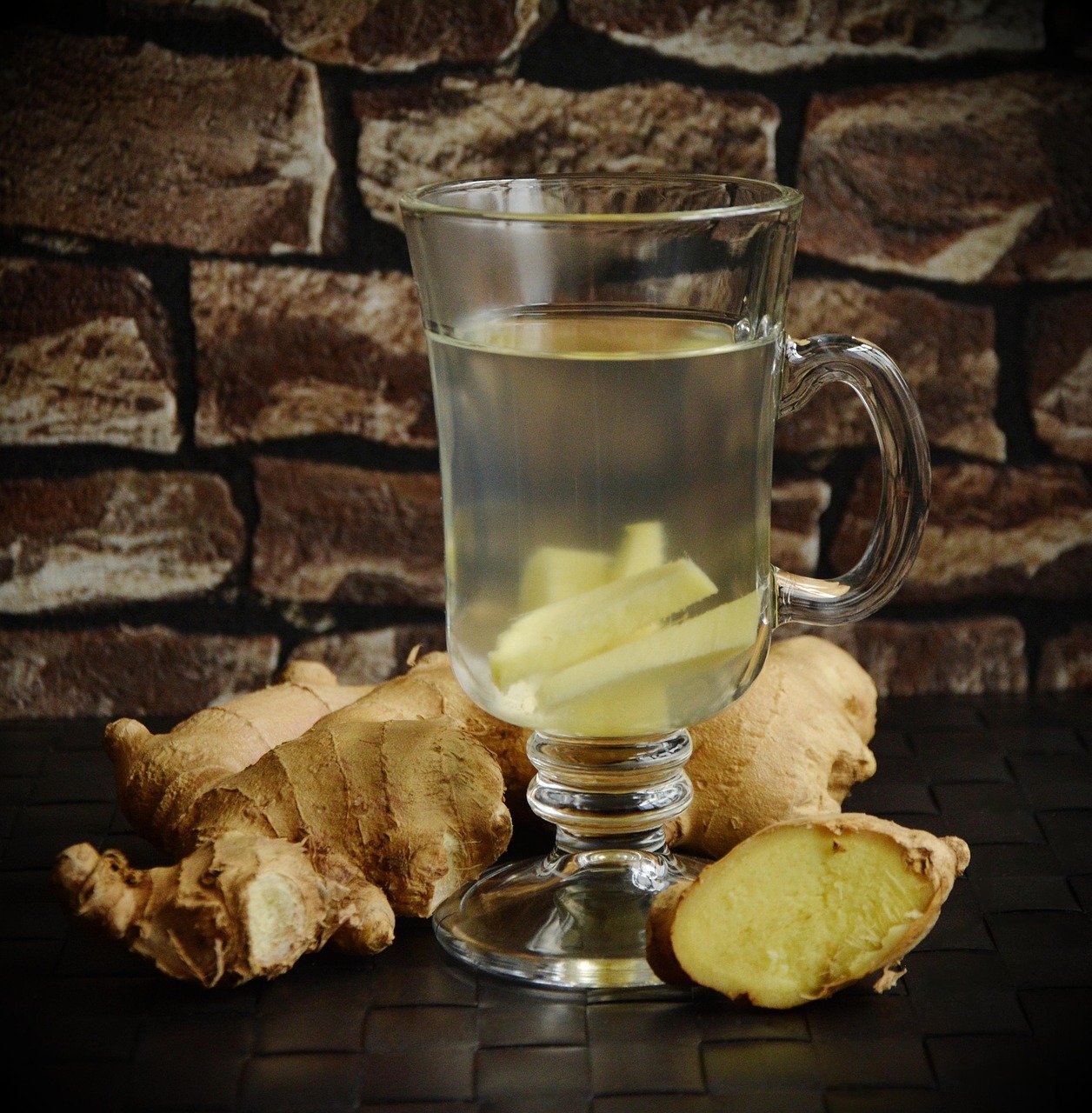
A blocked nose often responds beautifully to a simple peppermint or eucalyptus steam. When energy dips after a winter bug, ginger, garlic and rosemary can bring a gentle lift, a reminder that vitality returns in its own time. Even digestion, often unsettled after illness, can be coaxed back into comfort with chamomile or cardamon.
And then there is warmth itself, one of the oldest remedies we have. A warm bath loosens tight muscles. A hot compress softens tension. A steaming mug of herbal tea can ease chest tightness or chase away that “cold to the bone” feeling. Warmth helps the body unclench, breathe and settle.
Herbal remedies aren’t dramatic instead they are steady, grounding gestures They’re accessible, inexpensive and often already in your kitchen. A gentle shift, but a meaningful one, a return to listening, tending and trusting the quieter rhythms of our bodies. There’s something deeply reassuring about the way Simon Mills speaks of herbs. Not as exotic cures, but as familiar allies that meet us exactly where we are. He reminds us that the body has its own intelligence, its own rhythms and that herbs simply nudge those rhythms back into balance. Take twenty minutes and listen to the following conversation, your future self will be glad you did.