Permaculture, Herbal Practice and the Art of Working in Relationship
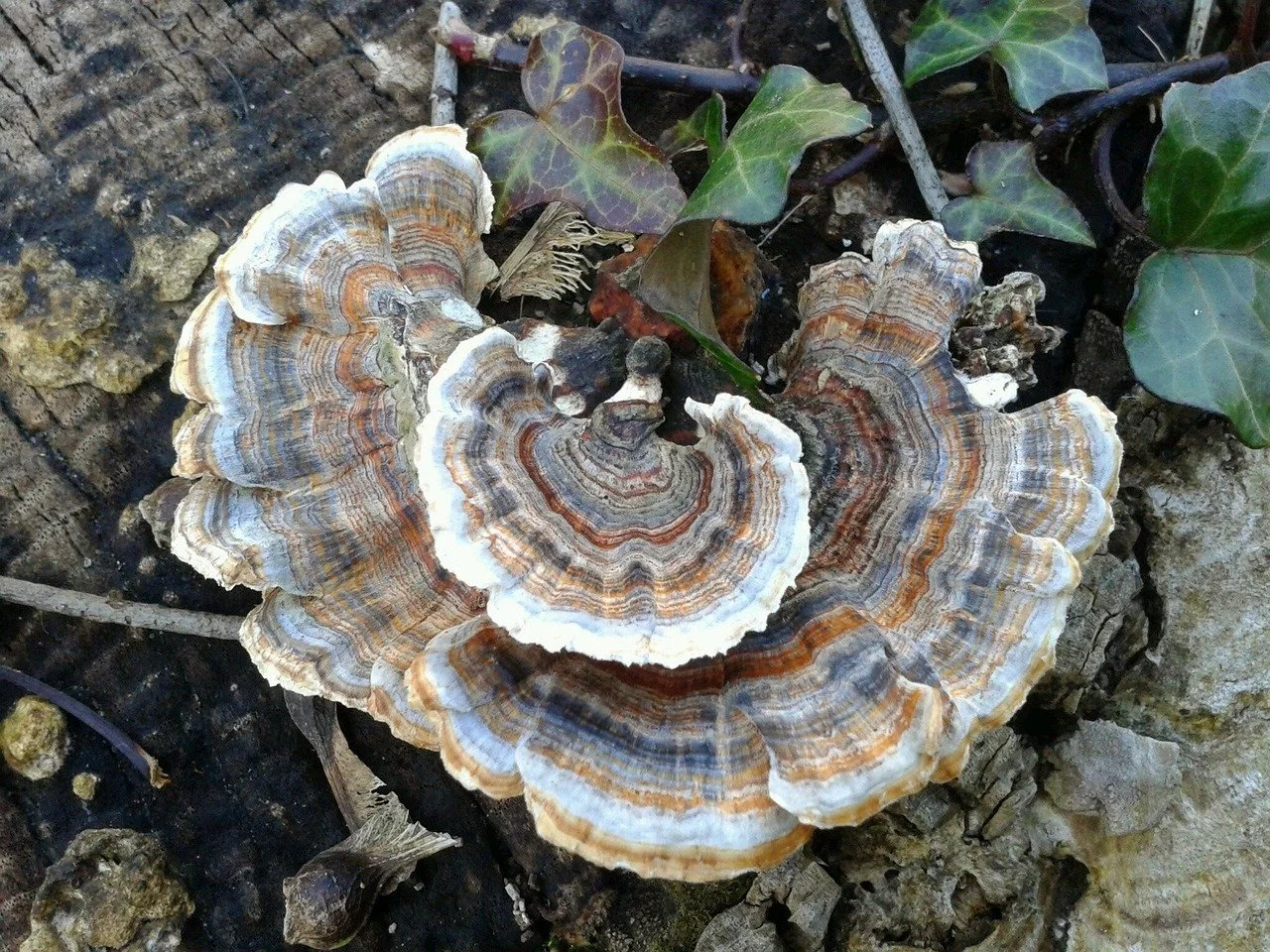
Image with thanks to Irene Wirsing
Permaculture has always been more than a way of growing food for me, it’s a way of seeing the world. A framework for understanding how living systems function, how relationships shape outcomes and how care, attention and patience create lasting change. Over time, I’ve realised that the same principles that guide me in the garden also guide me in my herbal practice. The processes mirror one another so closely that they often feel like two expressions of the same language.
When applying a permaculture design to a space, the first step is always survey and analysis. We observe the land, its patterns, its needs and areas of productivity or strain. In clinic, the process is remarkably similar. I begin by listening deeply to a new patient. Understanding their history, patterns, strengths and the areas where support may be needed. Both approaches start with curiosity rather than assumption.
The next stage is design. In permaculture, this means identifying the systems required to support the desired outcomes and exploring the beneficial relationships between them. In herbal practice, I look at the interconnected systems of the body and consider how they influence one another. Where can balance be restored? What relationships need strengthening? Findings are then reflected back to the patient. Does this resonate? and does this direction feel supportive?
Then comes implementation and maintenance. Whether tending a garden or supporting someone’s wellbeing, I ask, what needs to happen first? What is the realistic timescale? What resources are needed? And importantly, who is part of the wider support network? Just as a thriving garden relies on biodiversity and community, so too does a person. We are not meant to heal in isolation.
Regular evaluation and feedback follow. In permaculture, we observe how the design is working and make adjustments. In practice, I check in with patients, noticing what’s shifting and what needs refining. This naturally leads to changes, small, thoughtful changes that keep the system moving in the right direction.
At the heart of permaculture are three ethics, Earth care, People care and Fair share. These principles guide my work on the land, within myself and with my patients. They remind me that everything is connected and that true nourishment comes from tending relationships. With nature, with others and with our own inner landscapes.
If you’re curious about exploring these ideas further, both permaculture and herbal medicine offer rich pathways into more connected ways of living. For permaculture training, the Permaculture Association (Britain) is an excellent starting point. Here you will find accredited courses and a directory of teachers across the UK. For herbal medicine, you’re always welcome to connect with me directly. And the National Institute of Medical Herbalists (NIHM) provides reliable information about professional practice and registered herbalists.