Image taken from Isabella Dornbrach thank you
Fat has carried an undeserved reputation. It was something to be avoided or swapped for low‑fat alternatives and treated with suspicion. For years, many of us were encouraged to focus on calorie counting. Yet calories measure energy, not nutritional value. Two foods may contain the same number of calories, but provide vastly different amounts of nourishment. Healthy fats, fibre, vitamins, minerals and protective plant compounds were overlooked. We now understand that when it comes to health, the quality of our food is every bit as important as the quantity.
When you look at how the body works, good fats are essential. They’re one of the most powerful foundations of long‑term health. Helping us absorb key nutrients and provide the raw materials needed to produce many of our hormones. Regulating everything from mood and metabolism to reproduction and wellbeing. Allowing the body to use herb and plant compounds more effectively. When we understand this, fat becomes less of a dietary villain and more of a supportive ally.
An important role of dietary fat is the relationship with fat‑soluble vitamins. Vitamins A, D, E and K cannot be absorbed properly without fat. These essential vitamins are responsible for countless physiological processes throughout the body. Supporting immune resilience, bone health, hormone regulation, nerve communication and healthy skin. Without healthy fats absorption can be significantly reduced, limiting their potential health benefits. It’s one of the reasons people can eat well yet still feel depleted. Nutrients are present, but the body cannot transform them.
This relationship extends beautifully into the world of herbs and plants. Many of the protective compounds in plants, their phytochemicals, are also fat‑soluble. These remarkable pigments are responsible for the colours we see across nature's palette. The deep purples of berries and the vivid reds of tomatoes. The golden warmth of turmeric and the lush greens of leafy vegetables. They offer antioxidant and anti‑inflammatory actions and are cellular protectors. Overseeing body repair, inflammation, liver support and protecting tissues from everyday stress.
Herbal medicine works in a similar way. Many herbs are lipophilic, literally meaning "fat-loving". This means they dissolve in and travel with fats. Dietary fats serve as a vehicle for these beneficial pigments. Supporting their absorption and transport throughout the body. Worth considering when using herbal tinctures, teas or infused oils.
Good fats also play a central role in healthy weight gain. They contain minerals and are nutrient‑dense, meaning they offer a lot in a small amount. So provide concentrated energy without overwhelming the digestive system. Helping to build and repair tissue, support hormone production and stabilise appetite. Slow, sustained energy that supports the nervous system, rather than overstimulating it. Helping the body to feel grounded and replenished. In contrast, our refined carbohydrate diets can spike blood sugar and leave the body feeling unsettled.
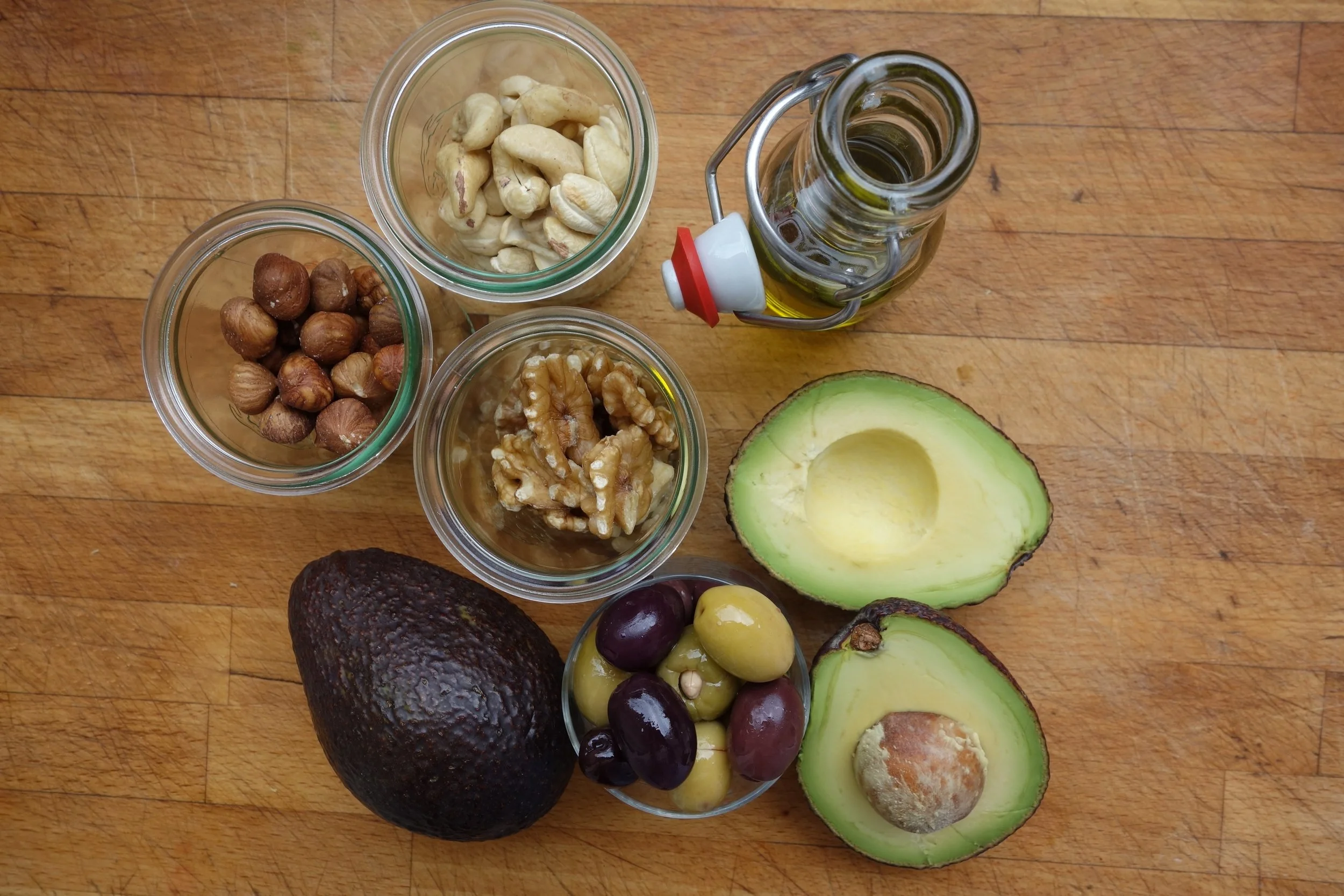
Not all fats have the same effect on health. The fats that are most supportive are those found naturally in whole foods. Including olive oil, nuts, seeds, avocados, oily fish, eggs and full-fat dairy products. These provide monounsaturated and polyunsaturated fats, including omega-3 fatty acids.
By contrast, fats without benefits are the highly processed, industrial fats. These are found in many packaged foods, hydrogenated oils, trans fats and repeatedly heated vegetable oils. They create inflammation, disrupt cell membranes and interfere with the body’s ability to use nutrients properly. They don’t help with vitamin absorption or support the protective plant compounds we rely on for everyday resilience.
The key message is not to avoid fat, but to choose fats in their most natural forms whenever possible. Good fats work well when not complicated. A drizzle of olive oil over vegetables, a handful of nuts in the afternoon. A spoonful of tahini stirred into soup, or a piece of salmon once or twice a week can make a meaningful difference. These small additions help the body absorb more of what you’re already eating.
Long before the science of nutrition, traditional cuisines seemed to understand this partnership. Across generations, colourful plants were prepared alongside nourishing fats. Tomatoes with olive oil, turmeric with ghee, greens softened in butter and herbs steeped in oil. What was once handed down through culinary tradition is now supported by research. Showing that fats help us absorb and utilise many of the valuable compounds found in plant foods.
When we begin to see fat not as something to fear but as something that supports absorption and nourishment, our relationship with food shifts. Meals become more satisfying. Energy feels more stable. Nutrients become available and the body begins to thrive.
If this has sparked your interest the following article from Herbal Reality is a hugely interesting read.